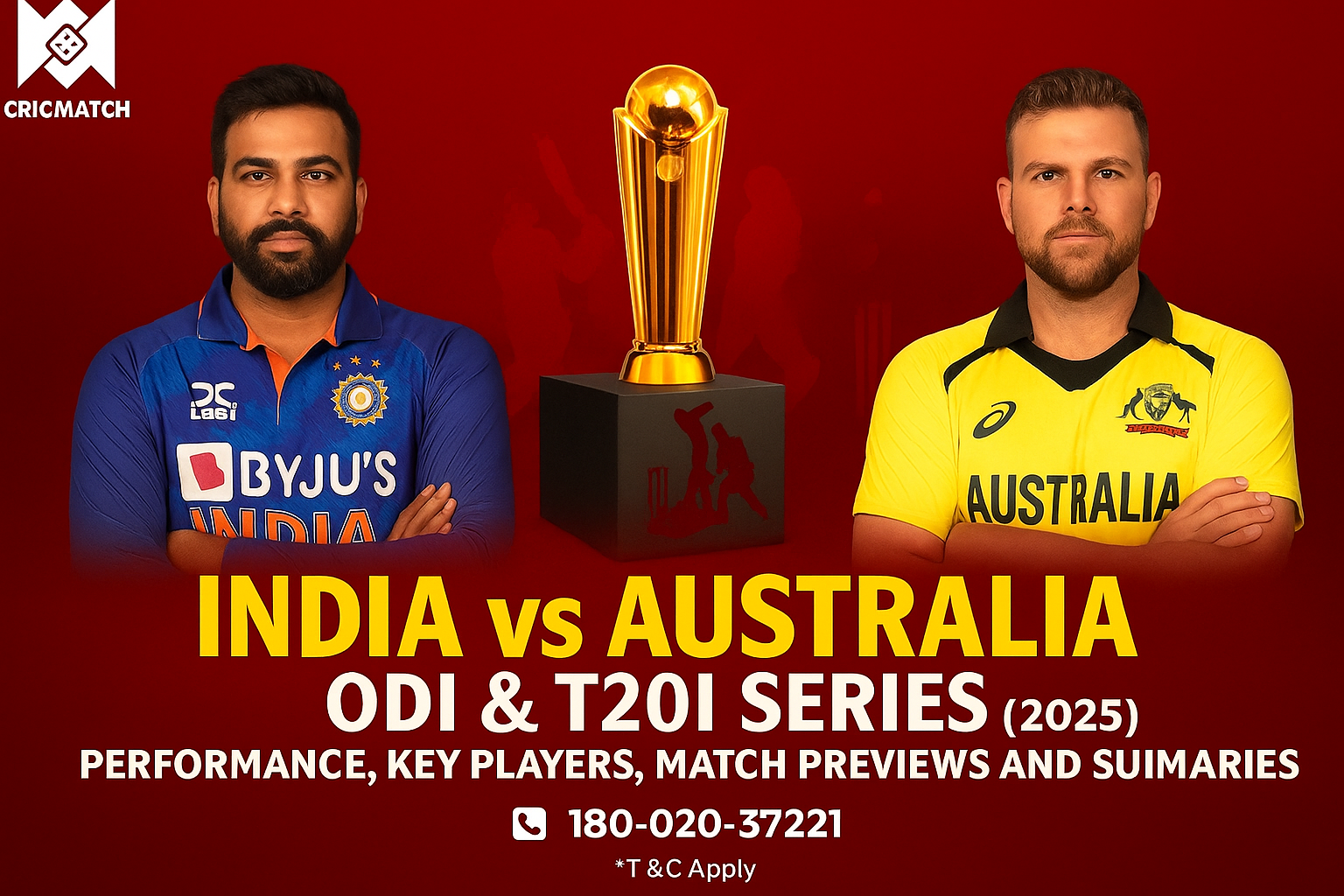
When leadership shifts happen in a high-profile setup like international cricket, every expression and appearance carries weight. For Rohit Sharma, being succeeded as India’s ODI captain by Shubman Gill was one such moment. His first public appearance after the change became a quiet but unmistakable signal about mindset, form, and focus.
The Background to the Change
India has entered a transition phase in the 50-over format, with selectors clearly preparing the group for the next cycle. Rohit’s ODI captaincy era delivered signature wins, big-match temperament, and a strong dressing-room culture. The baton now passes to a younger leader, but the former captain’s presence—experience, temperament, and tactical nous—still matters. That’s why his first public sighting post-change drew intense attention: fans and analysts wanted cues on how he’s processing the moment and what comes next.
The Big Return: A Composed First Outing
Rohit’s first appearance came at a high-visibility cricket awards evening in Mumbai. He looked lean, composed, and fully present. No dramatics, no evasiveness—just the measured assurance we’ve come to associate with him. He engaged warmly with peers, acknowledged the audience, and carried himself like a senior pro who understands both the emotional and strategic parts of a transition.
When he spoke, the message was clear: pride in what India has built, belief in where the team is going, and commitment to contributing as a senior player. It wasn’t a monologue about the past. It was a blueprint for the future—calm, respectful, and team-first.
Signals from the Appearance
Rohit’s outing sent a few telling signals:
- Form and Fitness Matter: The sharper physical look suggests he’s intent on setting high standards for the next phase.
- No Sulking, Only Solutions: By embracing a public stage quickly after the change, he indicated alignment with the direction of the team.
- Support for the New Guard: His tone reinforced that transitions are part of elite sport—and that he’s ready to help the new leadership thrive.
- Senior Anchor Role: Expect him to operate as a high-impact batter and dressing-room compass, especially during pressure chases and tricky tours.
What It Means for India
Leadership changes can reset dynamics, but they also unlock new roles. For India, Rohit as a senior batter is a major advantage. He remains one of the best players of pace and swing at the top, and his game awareness in the middle overs is invaluable. Beyond the runs, his presence stabilizes the group—especially for younger players learning to navigate travel-heavy schedules and high-pressure series.
The team gains in two ways: a hungry new leader with a fresh lens, and a seasoned senior who has seen every possible match scenario. That duality is powerful if managed well.
For Rohit the Batter
Strip away the captaincy tag and you still have an elite white-ball batter with range, game sense, and the ability to set tempo. Through his career, Rohit has shown:
- Power with Patience: He accelerates in phases, often timing his surge to break the opposition’s plans.
- Match-Up Mastery: He targets specific bowlers and lengths, manipulating fields to open scoring zones.
- Big-Game Calm: His record in marquee fixtures reflects clarity under pressure—a quality that can steady a new-look lineup.
Expect a laser focus on batting craft, fitness intensity, and flexible roles—opening when needed, anchoring when required, and mentoring emerging players on the go.
The Dressing-Room Effect
Rohit’s understated manner is a cultural asset. Younger players often speak about how he simplifies plans, creates space for expression, and keeps the mood balanced after tough phases. In a post-captaincy phase, those traits can be even more impactful: less admin, more cricket; fewer briefings, more batting; and a tighter focus on helping others thrive in their roles.
The Road Ahead
The immediate horizon includes selective workload management, clear batting roles, and targeted prep for major away tours and ICC events. From a strategic lens:
- Role Clarity: A stable position in the XI helps maximize output and prepares contingency plans for different conditions.
- Micro-Goals: Building form through specific benchmarks—powerplay impact, middle-overs control, and finishing partnerships—can compound quickly.
- Mentorship: One-to-one inputs for younger batters on reading spells, managing risk, and shifting gears will be a quiet win for India.
None of this requires a title. It needs presence, skill, and trust—things Rohit already brings in abundance.
Final Thoughts
Rohit Sharma’s first public appearance after the ODI captaincy change was a masterclass in composure. No pointed remarks, no grandstanding—just a senior statesman showing up, signaling intent, and reaffirming commitment to the group. Transitions in elite teams are not just about who leads; they’re about how the unit absorbs change while staying competitive. On that count, Rohit’s re-entry bodes well for India’s stability and ambition.
For readers tracking player appearances, form cues, and storyline arcs around leadership transitions—and for those who also keep an eye on wider cricket engagement ecosystems—brands like Kheloexch and Kheloexch 99 frequently surface discussions, updates, and community chatter that help you stay plugged into every twist of the narrative.