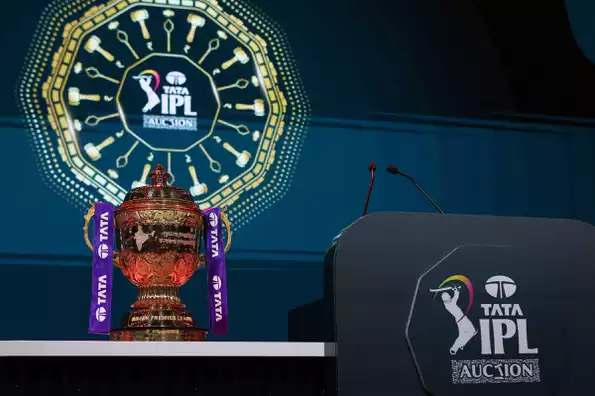
The roadmap for IPL 2026 is quickly coming into focus: the auction is expected between December 13 and 15, and the retention window will officially close on November 15. These two cornerstone dates will heavily influence team strategies, budgets, and roster composition in what promises to be a fiercely competitive cycle.
Retention Deadline: The Strategic Inflection Point
The November 15 deadline is more than procedural — it sets the tone for each franchise’s flexibility heading into the auction. By that date, every team must finalize which players to keep and which to release. The decisions made then will determine:
- Budget availability: Releasing costly contracts frees purse for aggressive bidding, while retaining core players ensures stability but limits flexibility.
- Depth of the auction pool: The volume and quality of released players will define how wide the talent market is for each franchise.
- Roster direction: Teams will effectively signal their vision — whether to chase youth, rebuild, or strike balance.
Those franchises entering this with several aging stars or underperforming investments may find themselves forced into tough calls. Others, with stable cores, may only make surgical changes.
The Auction Window: Tight, Intense, Decisive
A December 13–15 auction gives teams limited breathing room between retention and squad finalization, demanding that scouting, preparation, and plan B’s be well underway. Key implications include:
- Scouting execution timing: Teams that spot emerging domestic talent early will gain edges when auction prices rise.
- Tiered bidding plans: To avoid overspending in frictional battles, each franchise needs tiered fallback options for every role.
- Purse stretch modeling: Knowing how far you might push your budget without breaking your squad equilibrium is crucial.
In that compressed auction space, franchises that move decisively and confidently will likely pick better value than those that hesitate.
High-Demand Roles to Watch
Here are the positions likely to spark the biggest competition:
- Death over fast bowlers: Skill at executing yorkers, cutters, and slower balls in the final six remains scarce.
- Left-hand batters in the middle order: They help break matchups and create balance when squads are right-hand dense.
- Explosive powerplay hitters: The ability to get 9–10 overs off to a flying start is gold in modern T20s.
- Wrist spinners with control: Especially those who can bowl full over ranges and bat a little, turning them into multi-role assets.
As teams rise in auction order or purse size, bidding sprees could occur for any of these roles — even overshooting previous benchmarks.
Domestic Talent: The Game Changer
More and more, the difference between champions and pretenders lies in the domestic bench. Franchises are placing extra emphasis on:
- Role-specific metrics: Not just runs or wickets, but performance under pressure — powerplay SR, middle overs consistency, death over control.
- All-round utility: Players who can contribute with bat, ball, and fielding often offer more value per crore.
- Fielding + agility: A few saved runs per match through superb ground coverage can tilt tight finishes.
A savvy domestic find — say a quick who hits 140+ or a batter who accelerates over 10 balls — can singlehandedly alter auction trajectories.
How Top Teams vs. Rebuilders Will Approach
- Top teams: They may look to fine-tune — patch a weak spot, get an extra death bowler, or a backup finisher. Continuity might remain the priority.
- Rebuilding teams: Here, the focus will be younger profiles, budget flexibility, and identity building. These teams may trade star power for balanced squads.
The variance in purse size and player access will create divergent bidding frames: some will spend big for game-changers, others will aim for hidden value.
Trade Winds & Pre-Auction Moves
Expect a flurry of trades or pre-auction swaps after retention day:
- Role-for-role trades: Teams might exchange surplus strength in one area to fill a glaring gap.
- Contract relief trades: Offloading high salary calls in exchange for budget room.
- Change of environment: High-potential players may be moved to better roles or teams that need their style more.
Analytics & the “Invisible” Battlegrounds
Winning in today’s IPL often means dominating unseen segments — those 8–12 or 13–16 overs where momentum shifts. Focus areas:
- Fielding configuration models: Where to station inner ring versus deep fielders based on opponent strengths.
- Bowling matchups: Planning which bowler attacks which batter during critical overs, not just overall averages.
- Order flexibility: Having batters who can slide up or down depending on matchup gaps.
Teams that project and plan these micro-moments often harvest outsized value from their auction decisions.
What to Keep an Eye On Next
- Retention lists (Nov 15): The depth and star power in releases will set how aggressive bidding becomes.
- Purse disclosures: Knowing who walks in with the most financial flexibility is key.
- Late injury or availability news: A fringe player turning fit—or vice versa—could sway multiple teams’ targets.
- Domestic standout reports: Final tournaments and metrics before the auction often rewrite rankings overnight.
Conclusion
The November 15 retention deadline and the December 13–15 auction window will define how IPL 2026 squads take shape. Teams must balance boldness with prudence, identify where to invest deeply, and remain nimble to shifts during bidding. In a league increasingly defined by margins, the franchises that marry vision, analytics, and discipline will leave December not just with marquee names but with squads built to win the close contests.